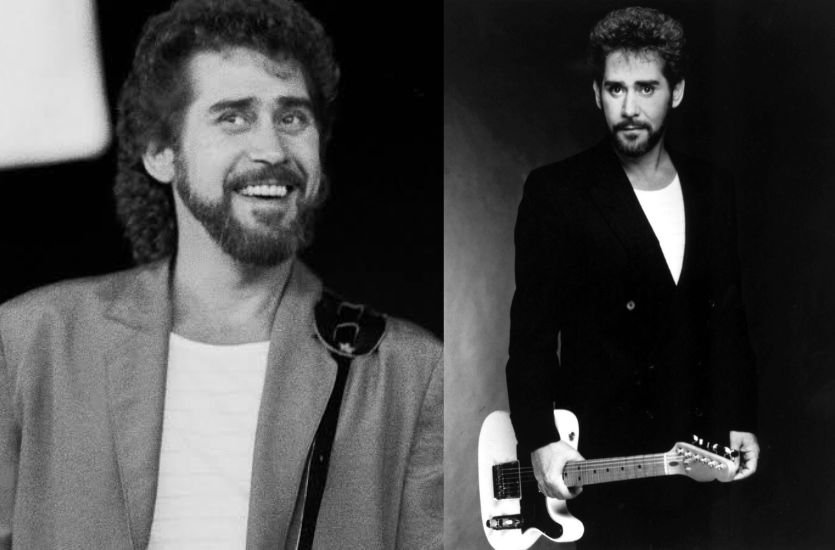
Earl Thomas Conley was an American country music singer and songwriter who became one of the most successful country artists of the 1980s. Known for his distinctive voice, emotional lyrics, and memorable melodies, he built a remarkable career with songs that explored love, heartbreak, personal struggles, and complicated relationships. His ability to combine traditional country music with elements of rock, rhythm and blues, and pop helped him develop a sound that stood apart from many of his contemporaries.
Born in Portsmouth, Ohio, Conley did not achieve overnight success. He spent years developing his songwriting skills, performing in small venues, and working to establish himself in Nashville. His breakthrough arrived in the early 1980s with the hit song “Fire and Smoke,” followed by a series of successful recordings that established his reputation in country music. Throughout his career, he earned 18 No. 1 hits on Billboard’s country chart, making him one of the defining hitmakers of his era.
Quick Bio of Earl Thomas Conley
| Detail | Information |
|---|---|
| Full Name | Earl Thomas Conley |
| Date of Birth | October 17, 1941 |
| Birthplace | Portsmouth, Ohio, United States |
| Nationality | American |
| Profession | Country Singer and Songwriter |
| Music Genre | Country |
| Years Active | 1970s–2000s |
| Famous Songs | Fire and Smoke, Holding Her and Loving You, Once in a Blue Moon |
| Record Labels | GRT, Warner Bros., Sunbird, RCA |
| Grammy Nominations | 3 |
| Date of Death | April 10, 2019 |
| Place of Death | Nashville, Tennessee, United States |
| Age at Death | 77 |
Visit Editorial Magazine for more biographies and celebrities.
Early Life and Childhood
Earl Thomas Conley was born on October 17, 1941, in Portsmouth, Ohio. He grew up in a working-class environment where financial difficulties influenced his early life. When he was a teenager, his father lost his railroad job, creating additional challenges for the family. Conley eventually moved in with his older sister, an experience that contributed to his determination to build a more stable future.
During his youth, Conley demonstrated an interest in creative activities and considered pursuing art. He reportedly had an opportunity to study at an art school, but he chose a different path and joined the United States Army. Although his early ambitions extended beyond music, his experiences during military service helped him recognize his interest in singing and performing.
While serving in the Army, Conley participated in a musical group influenced by Christian music. This experience helped him develop his vocal abilities and gain confidence as a performer. He also became increasingly interested in country music, particularly the storytelling traditions that allowed singers to communicate personal experiences through songs.
After completing his military service, Conley began exploring music as a possible career. However, becoming a professional singer was not easy. He needed to earn a living while developing his songwriting skills and finding opportunities to perform. These early struggles became an important part of the story behind his eventual success.
How Earl Thomas Conley Started His Music Career
Following his military service, Conley worked various jobs while pursuing his musical ambitions. He began traveling to Nashville, Tennessee, a major center of the American country music industry. Nashville offered opportunities for songwriters, singers, musicians, and producers, but competition was intense, particularly for artists without established connections.
Conley started commuting to Nashville in the late 1960s. He spent time writing songs, meeting music professionals, and learning how the recording industry operated. When his early efforts failed to produce immediate results, he relocated to Huntsville, Alabama, where he worked in a steel mill while continuing to pursue music.
An important turning point came when he met music producer and songwriter Nelson Larkin. Their professional relationship helped Conley secure recording opportunities and develop his songwriting career. In the early 1970s, Conley was already writing songs that attracted attention from other country performers.
One of his significant early achievements was co-writing “This Time I’ve Hurt Her More Than She Loves Me,” which Conway Twitty recorded and took to No. 1 on the country chart in 1976. The song demonstrated Conley’s ability to write emotionally engaging material and established his reputation as a songwriter before he became a major recording star himself.
His early recording career included releases under the name Earl Conley. Although these recordings brought limited commercial success, they provided valuable experience and helped him refine his musical identity. He continued working toward a sound that combined traditional country themes with more contemporary influences.
Breakthrough With “Fire and Smoke”
Conley’s career began to change significantly around 1980, when he recorded for Sunbird Records and worked again with Nelson Larkin. His single “Silent Treatment” reached the country Top 10, giving him greater visibility among radio programmers and country music audiences.
His major breakthrough followed with “Fire and Smoke,” which reached No. 1 on Billboard’s country chart in 1981. The song marked his arrival as a successful recording artist and demonstrated that his songwriting talent could translate into widespread commercial appeal.
“Fire and Smoke” helped establish the musical identity that would define much of Conley’s career. Its emotional delivery, memorable melody, and relationship-centered lyrics appealed to listeners who wanted country music that felt personal and relatable.
Following this success, RCA Records signed Conley, providing him with greater industry support and access to a larger recording operation. His partnership with RCA became one of the most important periods of his career.
During the following years, Conley released a succession of successful singles. His ability to deliver songs with emotional intensity while maintaining a polished country sound made him a consistent presence on country radio.
Earl Thomas Conley’s Greatest Hits
Conley’s discography includes numerous songs that became important parts of 1980s country music. His recordings frequently explored complicated romantic relationships, heartbreak, loyalty, and the consequences of personal decisions.
Holding Her and Loving You
“Holding Her and Loving You” is one of Conley’s best-known recordings. The song explores the emotional conflict of being involved in a relationship while struggling with feelings for another person. Its subject matter, expressive vocals, and memorable melody helped make it one of his signature songs.
The recording received significant industry recognition and earned Conley a Grammy nomination for Male Country Vocal Performance at the 26th Annual Grammy Awards. It remains an important example of his ability to interpret emotionally complicated material.
Fire and Smoke
“Fire and Smoke” was the breakthrough hit that established Conley as a major country recording artist. Its success helped him transition from a songwriter known within the industry to a performer recognized by a much broader audience.
The song also marked the beginning of an exceptionally successful period in which Conley repeatedly reached the top of the country charts.
Once in a Blue Moon
“Once in a Blue Moon” became another major hit and remains closely associated with Conley’s musical legacy. The song showcases his distinctive vocal delivery and his ability to make romantic themes feel sincere rather than overly dramatic.
Its lasting popularity has helped introduce his music to listeners who may not have followed country radio during the height of his career.
Somewhere Between Right and Wrong
“Somewhere Between Right and Wrong” is another notable recording from Conley’s successful period in the early 1980s. The song reflects his interest in the uncertain territory between personal desires, emotional responsibility, and difficult decisions.
Its success reinforced his reputation as an artist capable of delivering songs with mature themes and relatable storytelling.
What I’d Say
“What I’d Say” became one of Conley’s later major hits during the 1980s. It demonstrated that his commercial appeal continued beyond his initial breakthrough and that his distinctive style remained effective as country music evolved.
Too Many Times
“Too Many Times,” recorded with Anita Pointer of the Pointer Sisters, showcased another side of Conley’s musical personality. The collaboration combined country influences with a broader pop and R&B sensibility.
The song reached No. 2 on the country chart and demonstrated Conley’s willingness to experiment with collaborations outside the boundaries of traditional country music.
Album Success and Chart Records
Conley’s success extended beyond individual singles. Between 1980 and 2003, he recorded ten studio albums, including seven for RCA Records. His albums helped establish him as a consistent commercial performer rather than an artist dependent on a single successful release.
One of his most significant albums was Don’t Make It Easy for Me, released in 1983. The album produced four No. 1 country singles, an exceptional achievement that demonstrated the strength of his songwriting, recording choices, and connection with country radio audiences.
Other important releases included Fire & Smoke, Somewhere Between Right & Wrong, Treadin’ Water, Too Many Times, and The Heart of It All. These albums reflected different stages of his musical development while maintaining the emotional storytelling that characterized his work.
According to Billboard’s country chart retrospective published in December 2024, Conley achieved 18 No. 1 hits on the Hot Country Songs chart between 1981 and 1989. He also recorded 25 career Top 10 hits on the chart.
These accomplishments placed him among the most successful country artists of the decade. His ability to maintain a long run of chart success distinguished him from performers who experienced only a brief period of popularity.
Earl Thomas Conley’s Musical Style and Influence
Conley’s music was distinctive because it brought together several musical influences. Although country remained at the center of his work, his recordings incorporated elements of rock, R&B, pop, and adult contemporary music.
His voice played a major role in defining his style. Rather than relying entirely on the smooth, polished delivery associated with some mainstream country performers, Conley often used a textured and expressive vocal approach that emphasized the emotional meaning of a song.
His lyrics also contributed to his reputation. Many of his songs focused on imperfect relationships, conflicting feelings, personal responsibility, and the difficult choices people face. These subjects allowed listeners to connect with the characters and situations described in his music.
Music critics have associated his work with the phrase “thinking man’s country,” reflecting the attention his songs gave to the motivations and emotions behind human behavior. Rather than presenting relationships in simple terms, his recordings often explored uncertainty and emotional complexity.
Conley’s willingness to incorporate different musical influences also helped broaden the sound of mainstream country music during the 1980s. His collaboration with Anita Pointer illustrated how country performers could work with artists from other genres without abandoning their musical identity.
His career therefore represents an important period in which country music became increasingly diverse in its production, vocal styles, and audience appeal.
Awards and Grammy Nominations
Conley’s career received recognition from the recording industry, particularly through his Grammy nominations. The Recording Academy’s official records list three nominations associated with his work.
In 1984, he received a nomination for Male Country Vocal Performance for “Holding Her and Loving You.” In 1989, he was nominated in the Country Collaboration with Vocal category for “We Believe in Happy Endings,” recorded with Emmylou Harris.
His third nomination came in 1992 for “Brotherly Love,” a collaboration with fellow country singer Keith Whitley.
Although he did not win a Grammy, these nominations demonstrate the industry’s recognition of his vocal performances and collaborative recordings. His chart achievements and influence on country music remain central to his legacy.
Career Challenges and Time Away From Recording
Despite his considerable success, Conley experienced difficulties that affected his professional life. By the early 1990s, the demands of the recording industry, disagreements over creative control, and personal challenges had contributed to his growing dissatisfaction with the pace of his career.
He also experienced vocal problems that affected his ability to sing comfortably. His official biographical account describes severe allergies that interfered with the use of his vocal cords. These difficulties contributed to concerns about his health and created additional challenges for a performer whose voice was central to his success.
The death of his father also affected him emotionally during this period. After years of producing successful recordings and maintaining a demanding professional schedule, Conley decided to step away from recording.
His break lasted approximately seven years. During this time, he continued developing his songwriting abilities and gradually rediscovered his enthusiasm for creating music. The decision to take a break allowed him to reassess his priorities and approach his career on his own terms.
His experience illustrates that commercial success does not necessarily eliminate the personal and professional pressures associated with the music industry.
Return With Perpetual Emotion
Conley returned to the recording studio during the late 1990s. His album Perpetual Emotion, released in 1998, marked an important stage in his later career.
The album contained ten tracks, including five new songs co-written by Conley and five newly recorded versions of earlier hits. It brought together the musical qualities that had made him successful while reflecting his renewed interest in songwriting and recording.
The project also offered an opportunity to revisit the songs that had defined his career. Rather than simply attempting to recreate the commercial success of the 1980s, Conley approached the album as a way to reconnect with his musical identity.
Although his later releases did not achieve the same level of chart success as his earlier work, his return demonstrated his continuing commitment to music. His songwriting and recordings remained meaningful to longtime fans who appreciated his expressive voice and thoughtful approach to country storytelling.
Personal Life and Private Interests
Compared with his musical achievements, publicly documented information about Conley’s private life is more limited. His career was largely defined by songwriting, recording, touring, and his relationship with the country music industry.
His experiences outside music, including financial difficulties during his youth, military service, and the challenges he encountered later in his career, provide important context for understanding his professional journey.
Rather than focusing on unverified claims about his family relationships or personal finances, a reliable biography should emphasize documented aspects of his life and the work that established his reputation.
His story demonstrates the persistence required to build a career in music, particularly for an artist who spent years writing songs and pursuing recording opportunities before achieving widespread success.
Earl Thomas Conley’s Death and Lasting Legacy
Earl Thomas Conley died on April 10, 2019, in Nashville, Tennessee, at the age of 77. His death marked the end of a career that had contributed significantly to country music, particularly during the 1980s.
His passing prompted tributes from fans and fellow musicians who remembered his distinctive voice, songwriting ability, and remarkable chart record. In September 2019, country singer Luke Bryan performed “Once in a Blue Moon” at Conley’s memorial at the Country Music Hall of Fame.
His legacy also received renewed attention in later years as country music publications revisited his chart achievements and influence. Billboard’s December 2024 retrospective highlighted his 18 No. 1 country hits and his important place in the history of the genre.
Conley’s influence is reflected not only in his commercial achievements but also in the emotional character of his recordings. His songs explored complicated relationships and personal struggles in ways that resonated with audiences across generations.
His career also demonstrates the importance of songwriting in country music. Before achieving major success as a performer, he had already contributed songs that became hits for other artists. This combination of songwriting talent and vocal identity helped distinguish him from many of his contemporaries.
Why Earl Thomas Conley Remains Important to Country Music
Earl Thomas Conley’s career provides a useful example of how persistence, songwriting, and a distinctive musical identity can lead to long-term success. He spent years developing his craft before achieving widespread recognition, and his breakthrough did not arrive until he had already experienced considerable professional uncertainty.
His 18 No. 1 country hits established an extraordinary record, while songs such as “Fire and Smoke,” “Holding Her and Loving You,” and “Once in a Blue Moon” continue to represent the emotional qualities that made his music memorable.
His willingness to blend country with other genres also helped demonstrate that traditional storytelling could coexist with more contemporary musical arrangements. This approach contributed to the broader development of mainstream country music during the 1980s.
Ultimately, Conley’s legacy rests on his ability to create music that connected commercial success with emotional depth. His recordings remain an important part of the history of modern country music, and his career continues to interest listeners exploring the artists who shaped the genre.