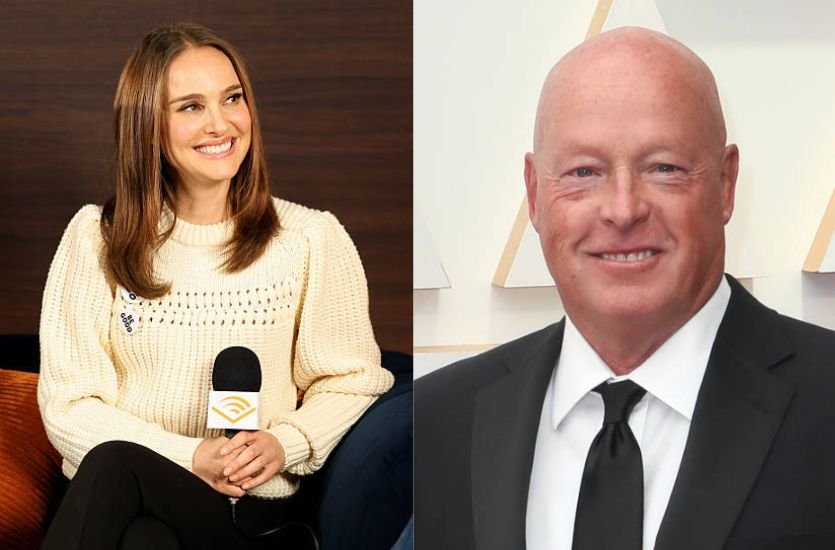
David Fincher and Evan Spiegel are two influential American personalities who have made significant contributions to different industries. David Fincher is an internationally recognized film director known for his distinctive visual style, psychological thrillers, and carefully developed storytelling. Evan Spiegel is a technology entrepreneur best known for co-founding Snapchat and leading Snap Inc. Both have built successful careers through creativity, innovation, and leadership, although their professional journeys have followed very different paths.
Fincher has influenced modern entertainment through films that explore human behavior, ambition, relationships, crime, and technology. Spiegel has helped transform digital communication by introducing new ways for people to share photographs, videos, and everyday experiences. While there is no established direct professional partnership between them, their careers offer an interesting comparison of how creative thinking can influence audiences and society.
Examining David Fincher and Evan Spiegel together provides an opportunity to understand their backgrounds, professional achievements, leadership styles, and contributions to modern culture. Their stories demonstrate how individuals working in completely different industries can influence the way people experience entertainment and communicate with one another.
Quick Bio: David Fincher and Evan Spiegel
| Information | David Fincher | Evan Spiegel |
|---|---|---|
| Full Name | David Andrew Fincher | Evan Thomas Spiegel |
| Date of Birth | August 28, 1962 | June 4, 1990 |
| Birthplace | Denver, Colorado, USA | Los Angeles, California, USA |
| Nationality | American | American |
| Profession | Film Director and Producer | Entrepreneur and Business Executive |
| Industry | Film and Entertainment | Technology and Social Media |
| Known For | Se7en, Fight Club, The Social Network | Snapchat and Snap Inc. |
| Education | Ashland High School | Stanford University |
| Major Achievement | Influential films and television productions | Co-founding Snapchat |
| Current Professional Role | Film Director | Co-founder and CEO of Snap Inc. |
Who Is David Fincher?
David Andrew Fincher is an American film director and producer recognized for his distinctive filmmaking techniques, attention to detail, and interest in complex storytelling. He has directed several successful films that have influenced modern cinema, particularly in the psychological thriller, crime, mystery, and drama genres. His productions frequently explore themes such as obsession, deception, ambition, violence, relationships, and the darker aspects of human behavior.
Born on August 28, 1962, in Denver, Colorado, Fincher developed an interest in filmmaking during his childhood. He became fascinated by cameras and the process of creating visual stories. His early interest encouraged him to explore production techniques and understand how images, editing, and sound could communicate emotions and ideas.
Rather than immediately entering Hollywood as a major director, Fincher developed his career through practical experience. He worked in production environments where he gained knowledge of cameras, visual effects, editing, and the technical responsibilities involved in creating professional films. These experiences helped him understand filmmaking from different perspectives and eventually influenced his approach to directing.
Fincher gradually became known for his precise production methods. He pays close attention to camera movements, lighting, performances, editing, and the overall atmosphere of a scene. His filmmaking approach often involves extensive preparation and coordination between actors, cinematographers, editors, and other production professionals.
David Fincher’s Early Career and Rise in Filmmaking
Before becoming an internationally recognized film director, David Fincher worked in the advertising and music video industries. These experiences allowed him to experiment with visual techniques and develop a strong understanding of how images could capture audience attention.
He became associated with Propaganda Films, a production company known for producing music videos and commercials. During this period, Fincher directed music videos for several well-known artists. His work helped establish his reputation as a visually creative director who could combine music, atmosphere, editing, and storytelling.
The music video industry provided an important foundation for his transition into feature filmmaking. Short-form productions required directors to communicate ideas quickly while maintaining visual interest. Fincher developed techniques that later became recognizable features of his movie productions.
His feature film directing debut came with Alien 3 in 1992. Although the production faced significant challenges, the project gave him experience working on a major studio film. It also introduced audiences to his interest in darker visual environments and serious storytelling.
His career gained considerable attention following the release of Se7en in 1995. The crime thriller starred Brad Pitt and Morgan Freeman as detectives investigating a series of murders connected to the seven deadly sins. Its atmosphere, performances, and carefully constructed mystery helped establish Fincher as an important director in Hollywood.
In 1997, he directed The Game, a psychological thriller featuring Michael Douglas. The movie follows a wealthy businessman whose life becomes increasingly confusing after he participates in an unusual experience organized by a mysterious company. The film demonstrated Fincher’s ability to maintain suspense and keep audiences questioning what is happening.
Famous Movies and Major Achievements of David Fincher
David Fincher’s filmography includes several productions that have become important examples of modern filmmaking. His projects frequently combine detailed storytelling with memorable performances and carefully designed visual environments.
One of his most discussed films is Fight Club, released in 1999. Based on Chuck Palahniuk’s novel, the film explores consumer culture, identity, dissatisfaction, and masculinity through an unusual narrative structure. Although its initial commercial performance was more limited than some expectations, the movie gradually developed a strong following and became a widely discussed cultural work.
Another significant project was Zodiac, released in 2007. The film follows journalists and investigators attempting to identify the person responsible for the Zodiac murders in California. Rather than depending entirely on traditional thriller techniques, Fincher emphasizes investigation, uncertainty, and the long-term effects of an unresolved criminal case.
In 2010, Fincher directed The Social Network, a drama based on the development of Facebook and the legal disputes surrounding its early history. Jesse Eisenberg portrayed Mark Zuckerberg, while Andrew Garfield played Eduardo Saverin. The film received widespread critical recognition for its screenplay, editing, performances, and direction.
The Social Network earned Fincher an Academy Award nomination for Best Director and won three Academy Awards, including Best Adapted Screenplay, Best Original Score, and Best Film Editing. The film is particularly relevant to discussions about technology because it examines the creation of a major social media company and the complicated relationships surrounding entrepreneurship.
Fincher continued his successful career with Gone Girl in 2014, a psychological thriller based on Gillian Flynn’s bestselling novel. The film explores marriage, media attention, public perception, and manipulation through a mystery involving a missing woman.
Other important productions include Panic Room, The Curious Case of Benjamin Button, Mank, and The Killer. His television work includes projects such as House of Cards and Mindhunter, further demonstrating his ability to work across different entertainment formats.
Who Is Evan Spiegel?
Evan Thomas Spiegel is an American entrepreneur and technology executive best known as one of the co-founders of Snapchat and the chief executive officer of Snap Inc. His career is closely connected to the development of social media, mobile communication, digital photography, and augmented reality.
Born on June 4, 1990, in Los Angeles, California, Spiegel grew up in an environment where technology and digital products were becoming increasingly important. During his education, he developed an interest in design, entrepreneurship, and the ways technology could improve everyday experiences.
He attended Stanford University, where he studied product design. His university education helped him develop an understanding of how products are created around the needs and expectations of users. Product design involves more than developing attractive interfaces; it also requires understanding how people interact with technology and how digital services can solve practical problems.
During his time at Stanford, Spiegel became interested in creating a new kind of communication application. He worked with fellow student Bobby Murphy, who would later become his business partner. Their collaboration eventually resulted in the development of Snapchat.
Spiegel’s professional journey illustrates how a university project can develop into a major technology business. Instead of following a traditional corporate career, he focused on building a product that addressed changing communication habits among younger smartphone users.
How Evan Spiegel Founded Snapchat
Snapchat began in 2011 as an application initially known as Picaboo. Evan Spiegel and Bobby Murphy worked on developing a mobile platform that allowed users to send photographs that disappeared after being viewed.
At the time, many popular social networking platforms encouraged users to create permanent profiles and maintain collections of photographs and posts. Snapchat introduced a different communication experience by emphasizing temporary photo sharing.
The idea attracted attention because it addressed a different type of social interaction. Users could communicate through photographs without treating every shared image as a permanent part of their online identity. The application was later renamed Snapchat and continued developing its features and user experience.
Spiegel became the company’s chief executive officer in 2012. Under his leadership, Snapchat expanded beyond disappearing photographs and introduced several new communication and entertainment features.
Snapchat Stories became one of its most recognizable additions. This feature allowed users to share photographs and videos that remained available for a limited period. Stories later influenced the development of similar features across other social media platforms.
The company also introduced filters, lenses, Discover content, and augmented reality experiences. These developments helped Snapchat establish a recognizable position in the social media industry.
Snap Inc. eventually became a publicly traded company in March 2017. Its expansion represented a major milestone in Spiegel’s entrepreneurial career and transformed Snapchat from a university project into an internationally recognized technology platform.
Evan Spiegel’s Leadership and the Growth of Snap Inc.
Evan Spiegel’s role in Snapchat’s development extended beyond creating a popular mobile application. As the company expanded, he became responsible for guiding its business strategy, product development, organizational growth, and long-term direction.
In 2017, Snap Inc. completed its initial public offering, marking an important stage in its development as a technology company. Becoming publicly traded brought new opportunities as well as greater responsibilities. The company needed to satisfy investors, compete with established technology businesses, attract advertisers, and continue developing products that appealed to users.
One of Spiegel’s major priorities has been maintaining Snapchat’s identity as a camera-focused communication platform. Rather than positioning the application exclusively as a traditional social networking service, Snap has continued investing in photography, video communication, augmented reality, and creative tools.
Augmented reality has become an important part of this strategy. Snapchat’s lenses allow users to apply digital effects to their photographs and videos, changing how they interact with the camera. These features combine entertainment with technology and demonstrate how software can create new experiences using everyday smartphone hardware.
Snap Inc. has also expanded into advertising, content discovery, and hardware development. Its Spectacles products explore the possibility of combining wearable devices with digital experiences. In 2026, Snap established Specs Inc. as a subsidiary focused on developing advanced eyewear and making computing more connected with the physical world.
Spiegel’s business journey also includes philanthropic activities. Through the Spiegel Family Fund and the Snap Foundation, he has supported initiatives involving education, the arts, housing, and opportunities for young people. These activities represent another aspect of his professional work beyond managing a technology company.
David Fincher and Evan Spiegel: Similarities in Their Careers
David Fincher and Evan Spiegel operate in different industries, but their professional journeys reveal several interesting similarities. Both have developed recognizable identities through creative work, technological awareness, and a willingness to challenge established approaches.
One similarity is their interest in improving the way people experience visual media. Fincher uses cinematography, editing, sound, and carefully arranged scenes to communicate stories through film. Spiegel helped develop a platform that makes photographs and videos central to everyday digital communication.
Their approaches to innovation are also worth comparing. Fincher has worked with evolving production technologies to achieve specific creative results. His films frequently use sophisticated camera systems, digital effects, and carefully controlled production environments. Spiegel, meanwhile, has focused on developing digital products that make visual communication more accessible and interactive.
Another similarity involves leadership. Directing a major motion picture requires coordinating actors, writers, editors, cinematographers, designers, and production teams. A technology company requires leadership across engineering, product design, marketing, finance, and business development. Although these responsibilities are different, both careers demonstrate the importance of coordinating people with specialized skills around a shared objective.
Their professional success also depends on understanding audiences. Fincher develops stories that encourage viewers to follow complicated characters and situations. Spiegel’s company creates communication products designed around how people share experiences and interact online.
However, their achievements should not be treated as identical. Fincher’s influence is primarily artistic and cultural, while Spiegel’s influence is connected to entrepreneurship, software, and digital communication.
Differences Between David Fincher and Evan Spiegel
The most obvious difference between David Fincher and Evan Spiegel is the nature of their professional responsibilities. Fincher works within the entertainment industry, where his main responsibility is developing and directing creative productions. Spiegel leads a technology company that develops products, manages employees, attracts customers, and competes in international markets.
Their career paths also began differently. Fincher gained practical experience through visual effects, commercials, and music videos before directing feature films. Spiegel developed his entrepreneurial career while studying product design at Stanford University and collaborating with other students on a mobile application.
Their definitions of innovation are different as well. For Fincher, innovation often means finding more effective ways to present a story, create an atmosphere, or communicate a character’s emotions. For Spiegel, innovation involves developing products and services that address changing consumer expectations.
Their professional achievements are measured through different standards. Fincher’s work is evaluated through filmmaking awards, critical reception, audience interest, and its contribution to cinema. Spiegel’s work is associated with company growth, product development, platform engagement, financial performance, and technological progress.
Despite these differences, both demonstrate how creative thinking can influence large audiences. One does so through films and television, while the other does so through digital products and communication technology.
The Social Network: Why David Fincher and Evan Spiegel Are Sometimes Associated
One important reason these two names may appear together in online discussions is David Fincher’s film The Social Network. Released in 2010, the movie tells a dramatized story about the creation of Facebook and the relationships and legal disputes surrounding its early development.
The film features Jesse Eisenberg as Mark Zuckerberg, Andrew Garfield as Eduardo Saverin, and Justin Timberlake as Sean Parker. It explores entrepreneurship, friendship, ambition, competition, and the consequences of building a major technology business.
Because Evan Spiegel later became one of the most recognizable entrepreneurs in the social media industry, readers may associate his career with the subjects explored in Fincher’s movie. Both Facebook and Snapchat became important platforms in the development of online communication, although they emerged through different companies, founders, and business strategies.
However, it is essential to distinguish between a thematic connection and a documented personal relationship. The Social Network is about Facebook’s development, not Snapchat’s founding. Evan Spiegel is not the subject of the film, and there is no established evidence that David Fincher directed a production about Spiegel’s life.
This distinction gives the comparison a more accurate foundation. Fincher’s film provides an example of his interest in technology, ambition, and business relationships, while Spiegel represents a real entrepreneur whose company helped shape the evolution of social media.
The Cultural Influence of David Fincher and Evan Spiegel
David Fincher’s contribution to popular culture can be seen through the lasting attention given to his movies. Films such as Fight Club, Se7en, Zodiac, and Gone Girl continue to attract audiences interested in psychological storytelling, crime investigations, and complex characters.
His work also demonstrates how a director’s visual choices can influence the atmosphere of a production. Lighting, camera positioning, editing, and sound design are not simply technical elements in his films. They help communicate information, create tension, and guide audience reactions.
Fincher has also contributed to television and streaming entertainment. His involvement in House of Cards, Mindhunter, and Love, Death & Robots demonstrates his continued interest in exploring different storytelling formats. His work with the streaming industry has helped connect established filmmaking techniques with modern digital distribution.
Evan Spiegel’s cultural influence is visible in the way people communicate through mobile devices. Snapchat helped popularize disappearing messages, temporary Stories, camera filters, and interactive lenses. These features influenced how users shared personal experiences and how social media companies approached visual communication.
Snapchat also helped make augmented reality more familiar to everyday consumers. Instead of treating augmented reality as an exclusively technical concept, the platform introduced interactive experiences that people could use while taking photographs and recording videos.
The influence of both personalities demonstrates that culture can be shaped through different forms of media. Films can change how audiences think about stories and characters, while communication platforms can change how people interact with friends, family, and wider communities.
Recent Developments in Their Professional Careers
Both David Fincher and Evan Spiegel continue to contribute to their respective industries through different projects and business priorities.
In 2026, David Fincher has been associated with The Further Mis-Adventures of Cliff Booth, a film starring Brad Pitt as the character Cliff Booth. Fincher directs the project from a screenplay by Quentin Tarantino. The film is scheduled for an exclusive two-week IMAX theatrical release beginning November 25, 2026, followed by its Netflix release on December 23, 2026. The project represents another major addition to Fincher’s filmmaking career.
Evan Spiegel continues serving as the co-founder and chief executive officer of Snap Inc. The company remains focused on visual communication, augmented reality, digital advertising, and new computing experiences. Its investment in Specs Inc. demonstrates an interest in expanding beyond traditional smartphone applications and exploring wearable technology.
These developments reflect the different directions of their careers. Fincher continues working on film and entertainment productions, while Spiegel focuses on technology products and the future of digital communication.
Conclusion
David Fincher and Evan Spiegel have established successful careers through different forms of creativity, innovation, and leadership. Fincher has influenced modern entertainment through his distinctive filmmaking techniques and memorable productions, including Se7en, Fight Club, Zodiac, Gone Girl, and The Social Network. His attention to visual storytelling and complex narratives has made him a recognizable figure in international cinema.
Evan Spiegel has made his mark in the technology industry by co-founding Snapchat and leading Snap Inc. His work has helped popularize disappearing messages, visual communication, augmented reality lenses, and camera-based social networking experiences. His entrepreneurial journey demonstrates how a university project can develop into a major international technology business.
Although David Fincher and Evan Spiegel do not have an established direct professional partnership, their careers offer an interesting comparison of two different approaches to innovation. Fincher has influenced how audiences experience stories through movies, while Spiegel has helped change how people communicate through digital platforms.
Their achievements illustrate the importance of creative thinking, adaptability, and understanding audiences in an increasingly connected world. By examining their individual backgrounds and professional contributions, readers can better understand how entertainment and technology continue to shape modern culture.
READ MORE : Katianna Stoermer Coleman
READ MORE : Nathan Blecharczyk and Greg Hayes